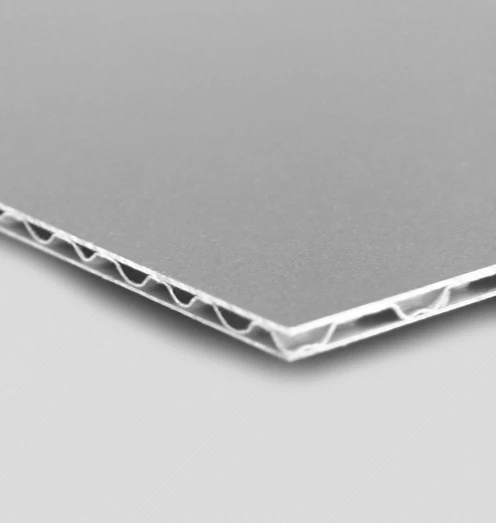



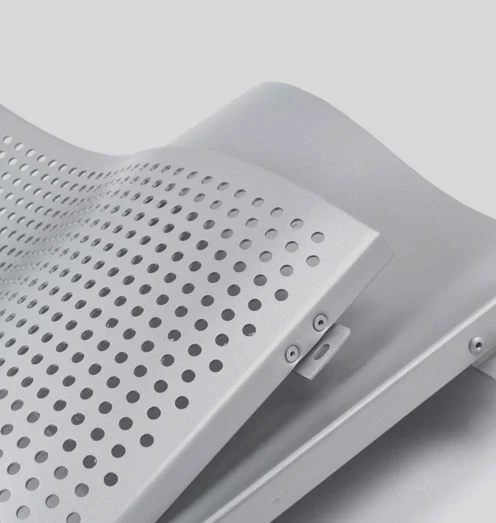
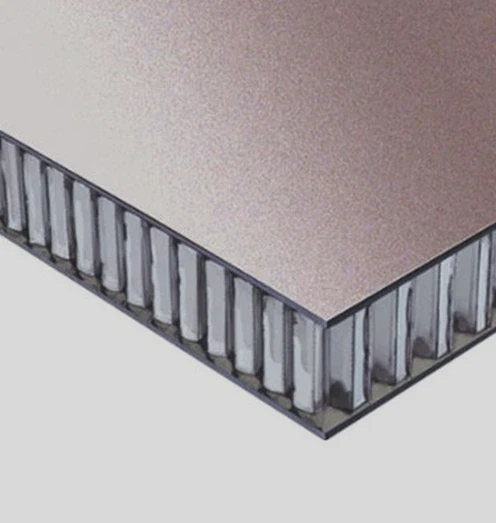

For decades, aluminum has been the default choice for trailer siding. But manufacturers and fleet operators who've run aluminum-sided trailers for any length of time know the recurring problems: oil canning that shows up under certain lighting, dents from minor impacts, and corrosion wherever the coating is compromised. None of this is a manufacturing defect — it's inherent to thin sheet aluminum under thermal and mechanical stress. As buyers get more particular about long-term appearance and lifecycle cost, more trailer manufacturers are looking at composite trailer panels as an alternative — and the visual difference, side by side, is hard to miss.
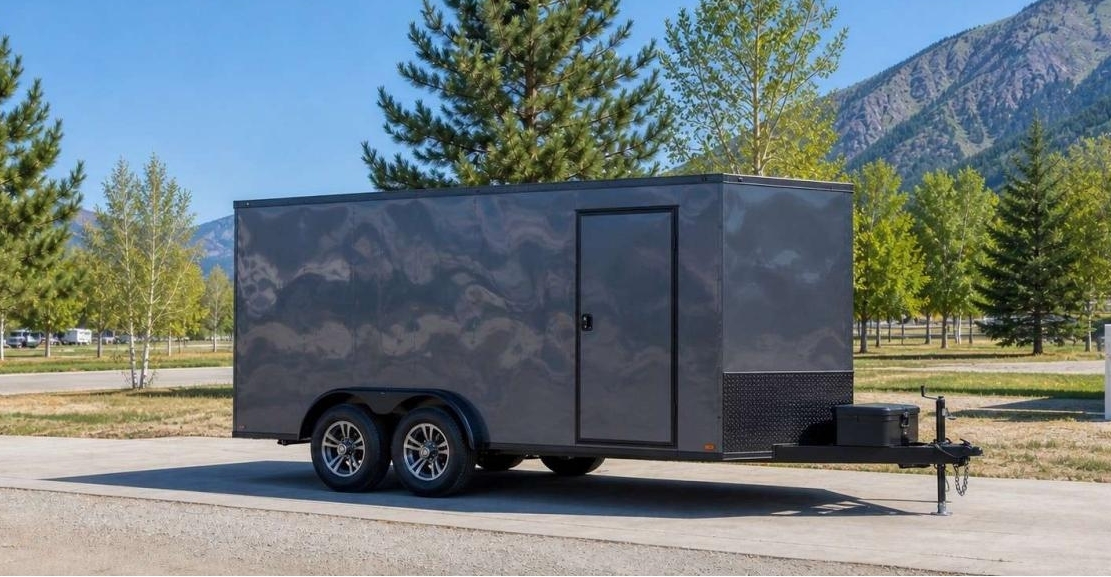
Traditional aluminum-sided trailer showing surface wear over time.
Why Composite Trailer Panels Behave Differently
The difference comes down to structure. A composite panel sandwiches a solid core between two thin aluminum skins, bonded under pressure — and that sandwich structure distributes stress differently than a single sheet of aluminum trailer siding. It's stiffer per unit weight, which is why it resists the wavy surface distortion that shows up on flat aluminum as it flexes. The same structure spreads impact energy across a wider area, so minor impacts are less likely to leave a visible dent. And because the core is lighter than solid aluminum of equivalent thickness, the panel typically comes in lighter overall — translating into either more payload capacity or better fuel economy for the end operator.
The composite construction also addresses a few issues aluminum siding runs into on its own. Because there's no exposed single-layer metal skin flexing against itself, the panel doesn't carry the galvanic corrosion risk that bare aluminum can develop over time. The bonded core structure also cuts down on road noise transmitted through the trailer sidewall, and a properly primed backside improves how well the panel adheres during installation. On top of that, a well-built composite panel is waterproof, resists salt and common chemical exposure, and cleans up easily — practical advantages for enclosed cargo trailers that spend their working life outdoors.
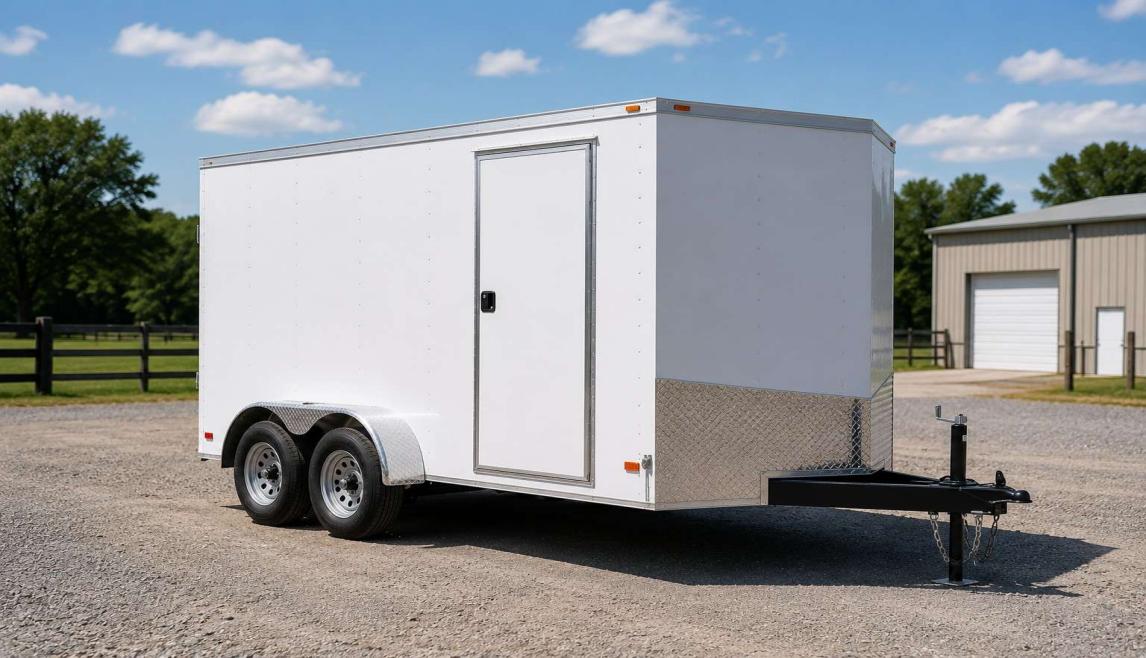
Composite panel siding: smooth, flat surface with no rivet lines or oil-canning distortion.
What Trailer Manufacturers Should Actually Look At
Not all composite trailer siding panels are built the same way:
● Core material — determines weight, rigidity, and how well the panel holds up to impact and years of road vibration. Ask what it's made of and how it's tested, not just "composite" at face value.
● Sourcing consistency — for manufacturers on continuous production lines, supply needs to be consistent in gauge, flatness, and finish shipment to shipment — which points toward suppliers with dedicated production capacity rather than one-off runs.
Where This Is Headed
Suppliers like SKY-Rainbow, which manufactures a .080 composite panel with a dedicated technical data sheet for trailer applications, reflect where the segment is heading: documented, application-specific specs over generic sheets. For manufacturers weighing the switch from aluminum siding to composite trailer panels, the simplest first step is to ask any prospective supplier for their actual TDS data — not just a marketing sheet.