
The 2017 London High-Rise Tragedy and the Technical Value of Skypanel 3D A2 Fire-Rated Aluminium Composite Panels
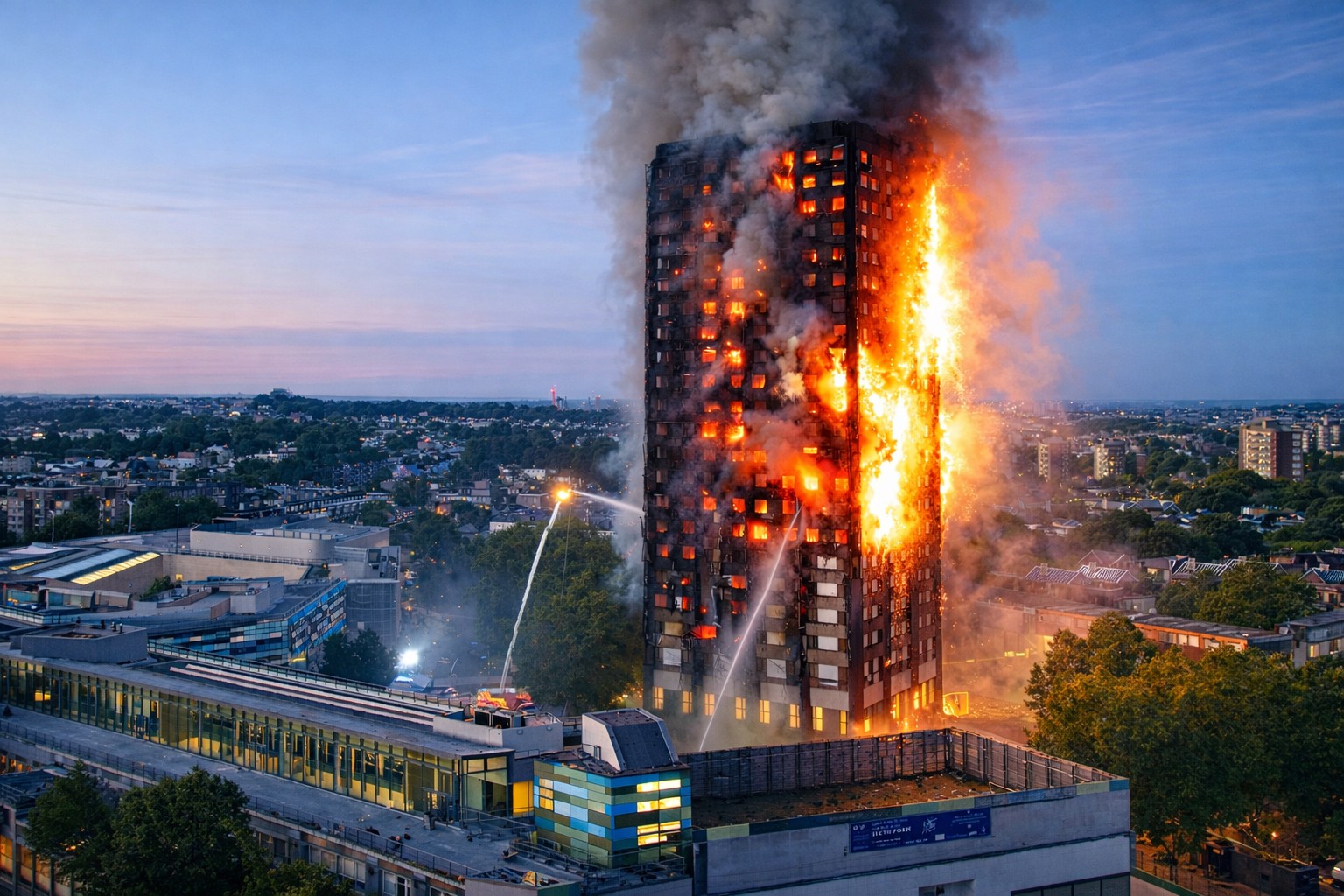
In the early hours of 14 June 2017, a devastating fire broke out at Grenfell Tower in the Kensington area of London. The fire spread rapidly along the building’s external façade, resulting in significant loss of life and property damage. This tragedy triggered a global reassessment of fire performance in external cladding materials, leading to stricter regulations in the UK and across Europe, with increased emphasis on the use of non-combustible façade solutions.
Post-incident investigations identified combustible façade materials as a key factor contributing to the rapid vertical spread of the fire. In high-rise buildings—where fire safety requirements are particularly stringent—the combustion characteristics of façade materials directly affect overall building safety. As a result, the selection of non-combustible and fire-reliable external wall materials has become a fundamental requirement in contemporary architectural design.
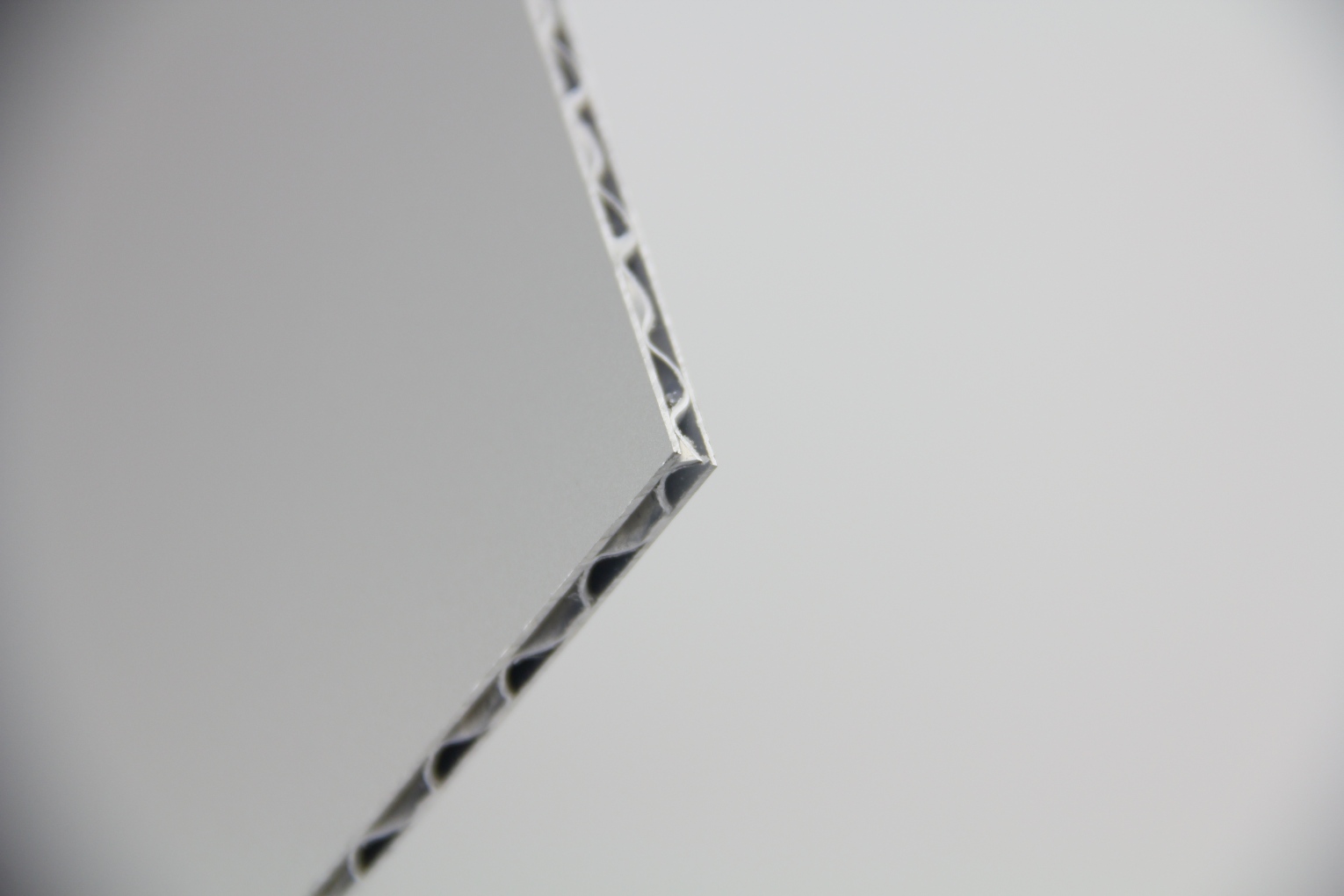
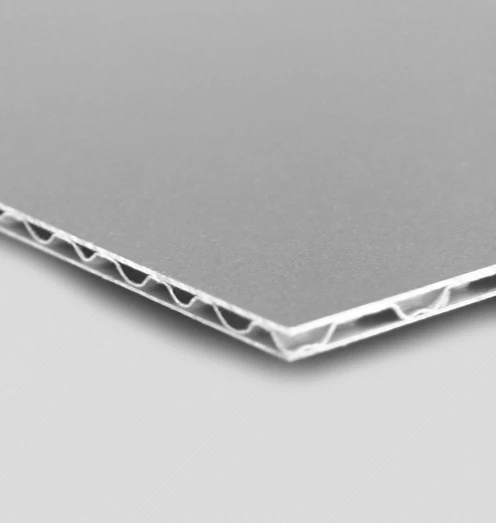
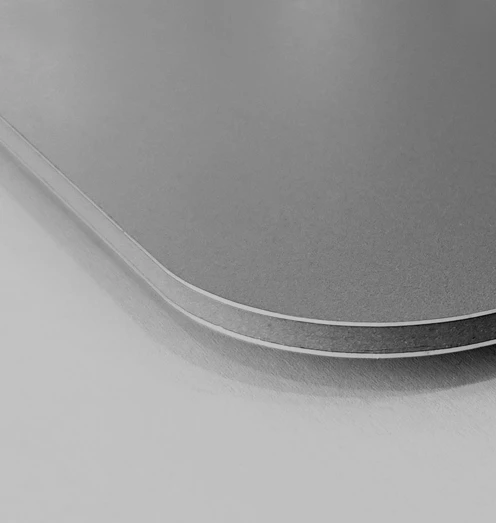
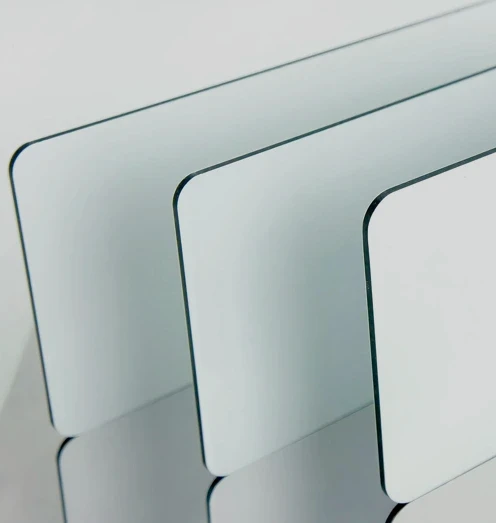
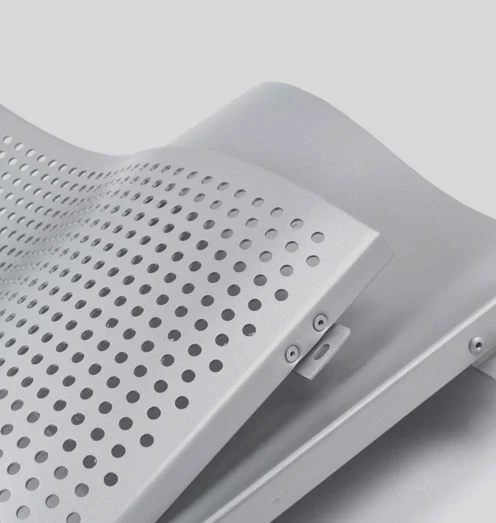
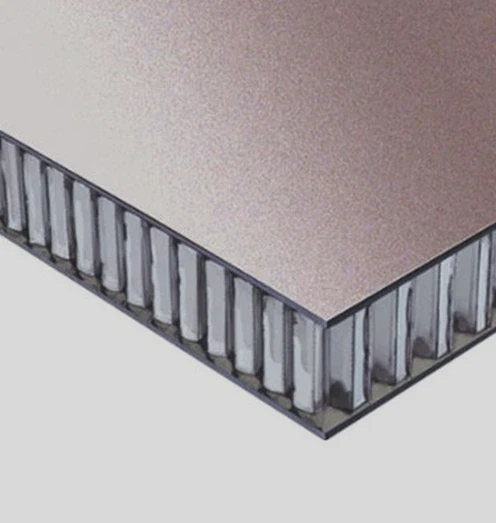
Skypanel 3D is an innovative aluminium composite panel developed to address these critical safety concerns. It is composed of two aluminium face sheets bonded to a three-dimensional profiled aluminium core, forming a fully aluminium construction with no combustible organic materials. Certified to EN 13501 A2 fire rating, Skypanel 3D offers enhanced fire stability and complies with Europe’s most stringent fire safety standards, making it suitable for building façades and other applications where high fire performance is essential.
The lessons of Grenfell Tower clearly demonstrate that fire performance is not an optional feature, but a fundamental requirement. The combustion behaviour of façade materials is not merely a matter of aesthetics—it represents a critical safety baseline. For high-rise buildings, public facilities, and densely occupied environments, façade systems must meet rigorous fire safety criteria. With its A2 non-combustible rating and fully aluminium 3D core structure, Skypanel 3D addresses fire risk at its source, significantly reducing the potential for vertical fire spread while also delivering lightweight construction, structural strength, and refined architectural expression.